

 Blockchain news

The Web3 space still has open niches, even as the market matures: established Web2 categories keep getting a decentralized counterpart, and new categories (restaking, real-world-asset tokenization, AI agents transacting on-chain) keep appearing. This list covers dApp business ideas worth evaluating in 2026, picked for a real business case, a genuine user pain point, and a technology choice that is mature enough to build on without excessive platform risk.
Move-to-Earn and Fitness dApps
Move-to-earn projects such as STEPN turn physical activity into token rewards, tying wearable or phone step data to on-chain payouts. The category cooled after its 2022 hype cycle, but the underlying model (pay users in tokens for verified real-world activity) remains a workable template if the token economics are sustainable rather than purely inflationary.
Play-to-Earn Gaming
P2E gaming lets players trade in-game assets as NFTs and cash out in-game currency on exchanges, unlike Web2 games where earned items had no value outside the game. The category has matured past the pure-speculation phase toward games that need to be genuinely fun first, with the token economy as a layer on top rather than the whole product. See our breakdown of play-to-earn game development cost for realistic budgets.
NFT Marketplace
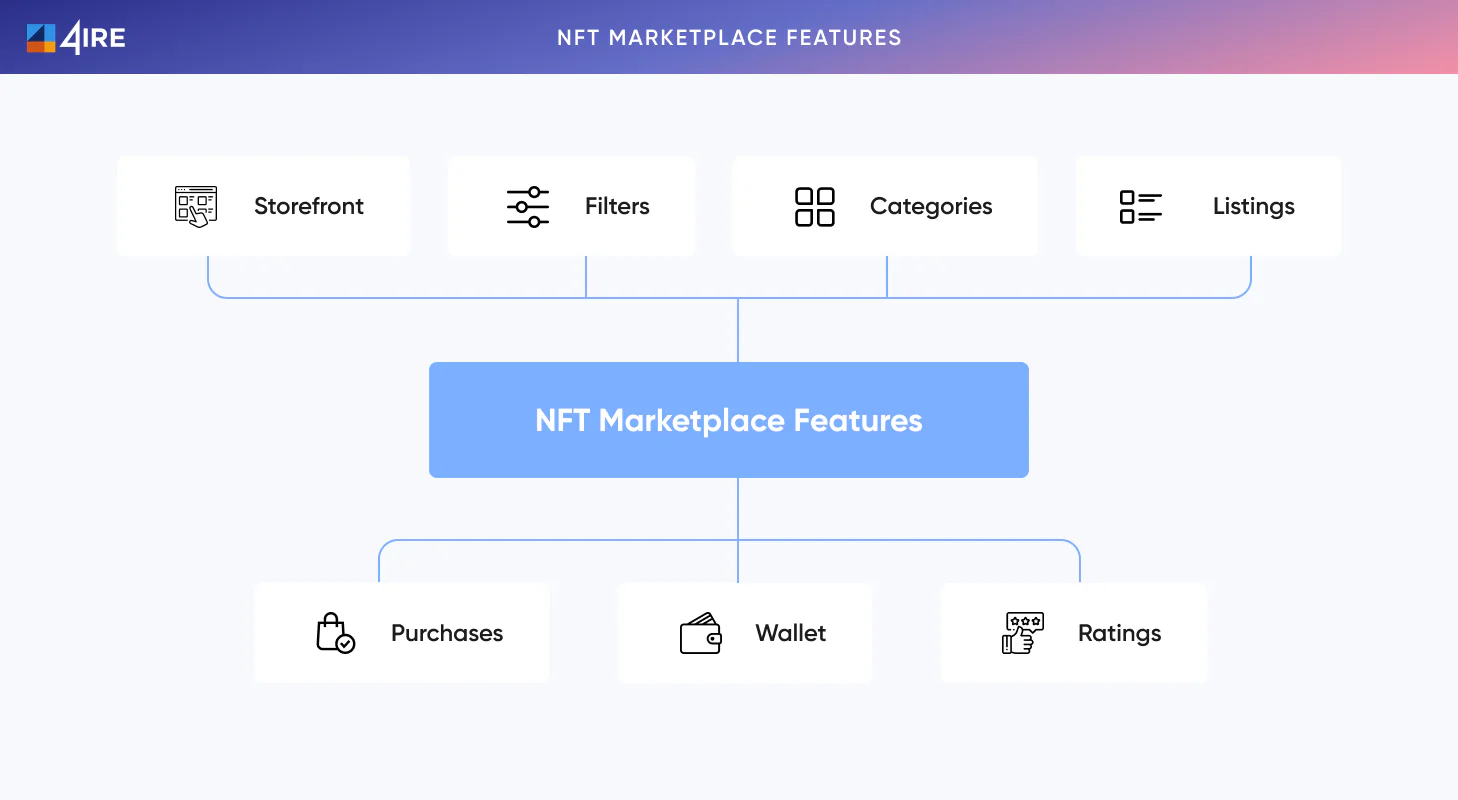
A new NFT marketplace is a harder sell now that OpenSea, Blur and Magic Eden have most of the volume, but vertical marketplaces (a single game's assets, a single artist community, real-world-asset fractions) still have room if they solve a specific liquidity or discovery problem the generalists ignore.
Decentralized Social Networks
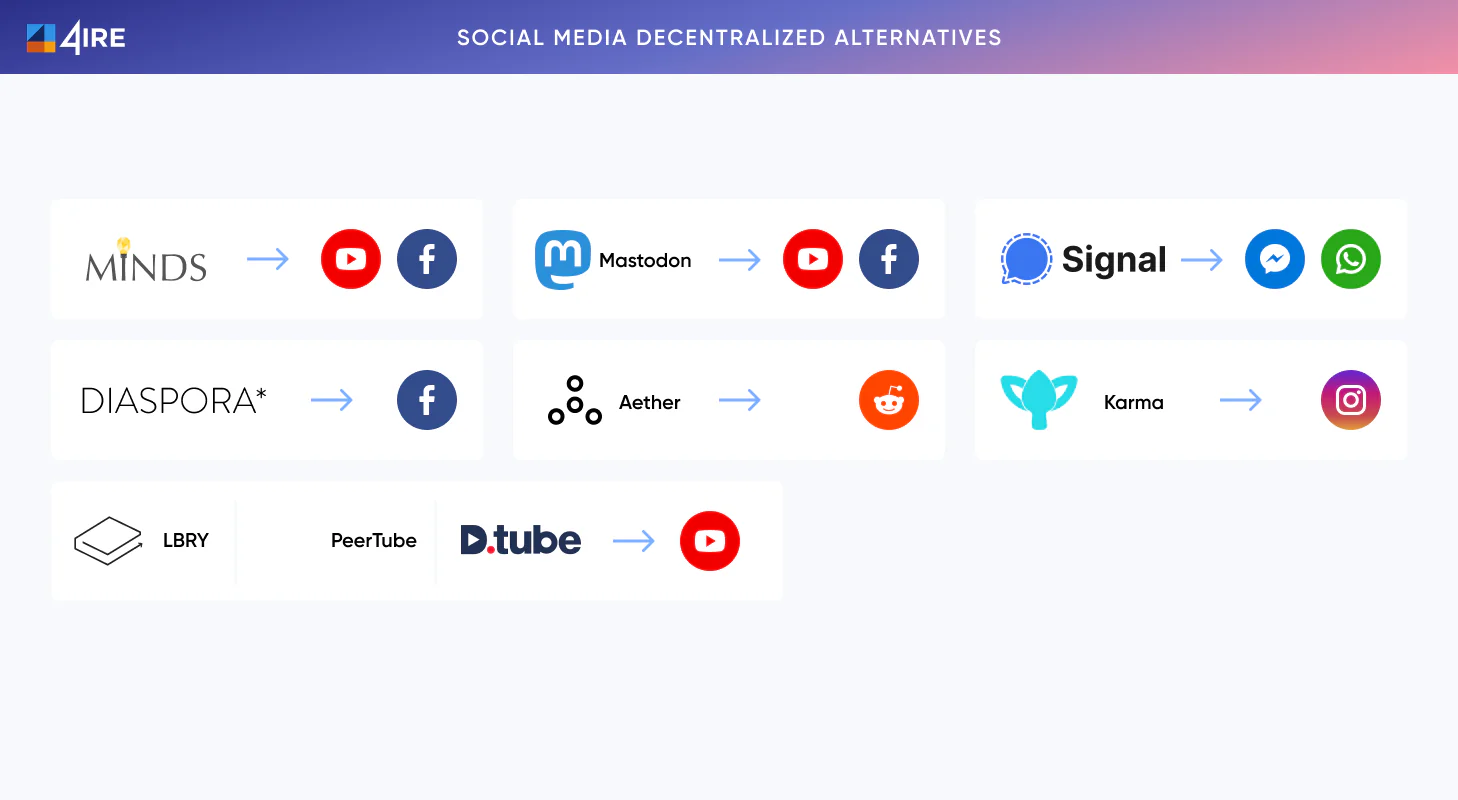
Centralized social platforms have taken real reputational damage over data handling and moderation, and protocols such as Farcaster and Lens have shown there is a real, if still small, audience for a social graph users own rather than rent. Building a full network from scratch is hard; building a client or a vertical community on top of an existing decentralized social protocol is a more realistic entry point.
Music and Content Streaming
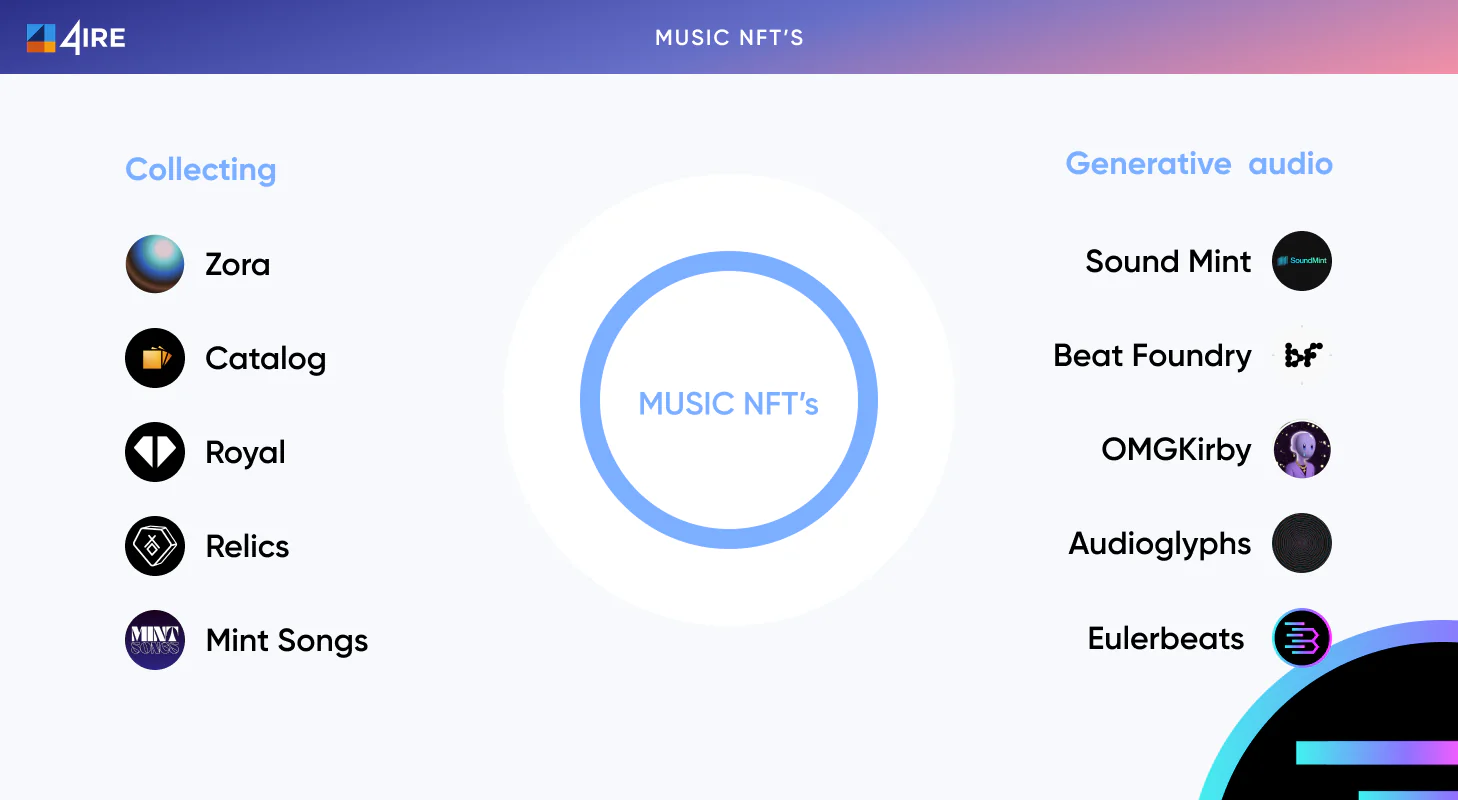
Music streaming is still dominated by labels taking the majority of streaming revenue. Audius remains the clearest example of an alternative: artists keep more of the upside and control distribution directly. A new entrant needs a real wedge (a genre community, a region, a rights model) rather than a generic "Web3 Spotify" pitch, and needs to solve licensing and royalty payout properly, which is the hard part, not the token.
Crowdfunding with On-Chain Accountability
Traditional crowdfunding's weakness is trust: backers have no visibility into how funds are actually spent after a campaign closes. A blockchain-based crowdfunding dApp can tie fund releases to milestones enforced by smart contracts, giving backers ongoing visibility instead of a one-time pledge into a black box.
DeFi Lending and Borrowing
A DeFi lending platform gives access to credit without a bank's underwriting process, and a P2P model can connect lenders and borrowers directly for a modest fee instead of taking on the platform's own lending risk. Demand for lending and borrowing infrastructure has stayed one of the more durable categories in DeFi through multiple market cycles, which is part of why it remains one of the more requested builds in our own pipeline.
Crypto Payment and Remittance
Cross-border payment and remittance is one of the clearest real-world use cases for crypto rails: lower fees and faster settlement than traditional correspondent banking, especially for corridors that are expensive or slow today. A payment dApp needs real on/off-ramp partnerships and compliance work, not just a wallet UI. See our guide to building a cryptocurrency exchange platform for the infrastructure side.
Healthcare Data dApps
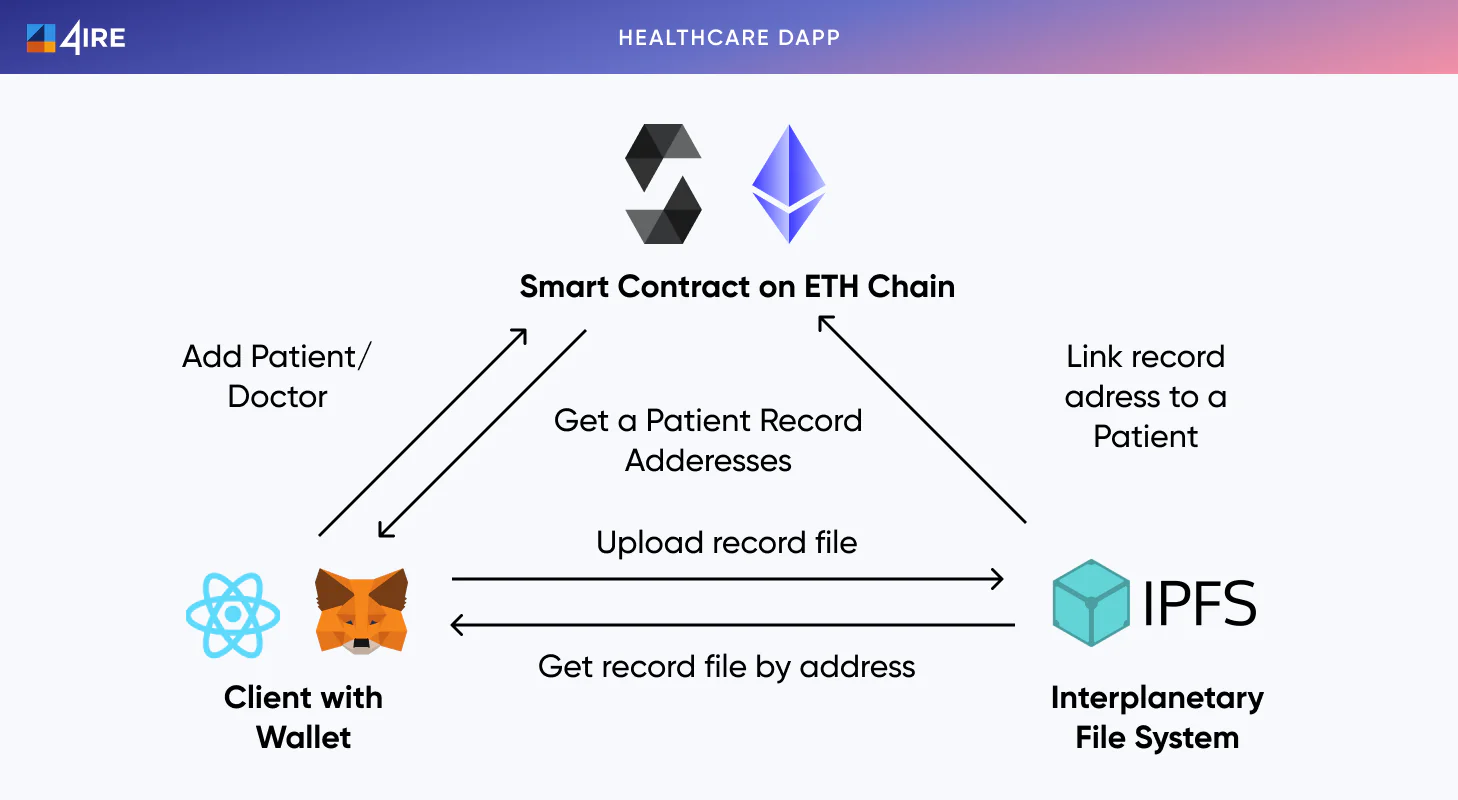
Healthcare is a heavily regulated, slow-moving sector for blockchain adoption, but the pitch is genuine: patient-controlled data access, reduced insurance-claim duplication, and an auditable trail across providers. Expect the regulatory and integration work (HIPAA or local equivalents, provider system integration) to dominate the timeline far more than the smart contract layer.
Supply Chain and Logistics Tracking
Blockchain-based provenance tracking lets end customers trace a product back to its origin and verify authenticity, which matters most in categories with real counterfeiting or sourcing-fraud problems (luxury goods, pharmaceuticals, food safety). The hard part is usually getting every participant in the supply chain to actually record data on-chain, not the smart contract design.
Carbon Credit and Green Finance dApps
Voluntary carbon markets have struggled with double-counting and weak verification, and tokenized carbon credits give each credit a public, traceable lifecycle from issuance to retirement. 4IRE builds in this space through our green finance and carbon credit marketplace work; it is a genuine niche but a regulated and registry-dependent one, so plan for partnership work with existing carbon registries rather than building a standalone market in isolation.
RWA and Asset Tokenization
Real-world asset tokenization (real estate, private credit, gold, invoices) has moved from a Web3-native niche to something traditional finance is actively building. See our practical guide to real world asset tokenization for what a compliant build actually requires: this is one of the categories where the legal and custody structure matters more than the smart contract code.
Getting Started with Your dApp Project
- Discovery. Test the business idea against a real, underserved user pain point before writing a line of code.
- Architecture design. Translate the concept into a concrete technical spec: chain choice, contract architecture, and what stays off-chain.
- Smart contract development. Build the core logic that actually needs to be trustless and on-chain.
- Front-end and back-end development. Wallet connection, UX for gas and signing, and any indexing or off-chain API layer.
- Smart contract audit. A smart contract audit before deployment is not optional for anything that holds user funds.
- Deployment and maintenance. Launch is the start of an ongoing job, not the end of the project.
How 4IRE Can Help
4IRE has built and audited dApps across lending, tokenization, gaming and green finance. If you have a dApp idea and want an honest read on whether the niche and the technology choice actually fit, talk to our team.
Have a dApp Idea?
Our team can pressure-test the niche, scope the architecture and give you a realistic budget. Schedule a free consultation with our experts.
FAQ on dApp business ideas in 2026
A real, underserved pain point, a monetization model that does not depend entirely on token speculation, and a technology choice mature enough to build on without excessive platform risk. Categories that solve a genuine trust or transparency problem — lending, tokenization, supply-chain provenance — have proven more durable than purely speculative ones.
Transaction fees, subscription or premium tiers, and a token launch are the most common. A token sale can fund early development, but a sustainable dApp needs a revenue model that does not depend on continuous token appreciation.
Look at what already exists in the niche and be honest about whether you have a real wedge — a specific user segment, region, or unsolved problem the incumbents ignore. A discovery phase with a technical partner before committing to full development is the fastest way to pressure-test the idea.
At minimum: a business analyst to validate the idea, blockchain engineers for smart contracts (Solidity, Rust or the equivalent for your chosen chain), front-end developers, a designer, and a security specialist for the audit. Most early-stage teams get this from a single development partner rather than hiring each role separately.